
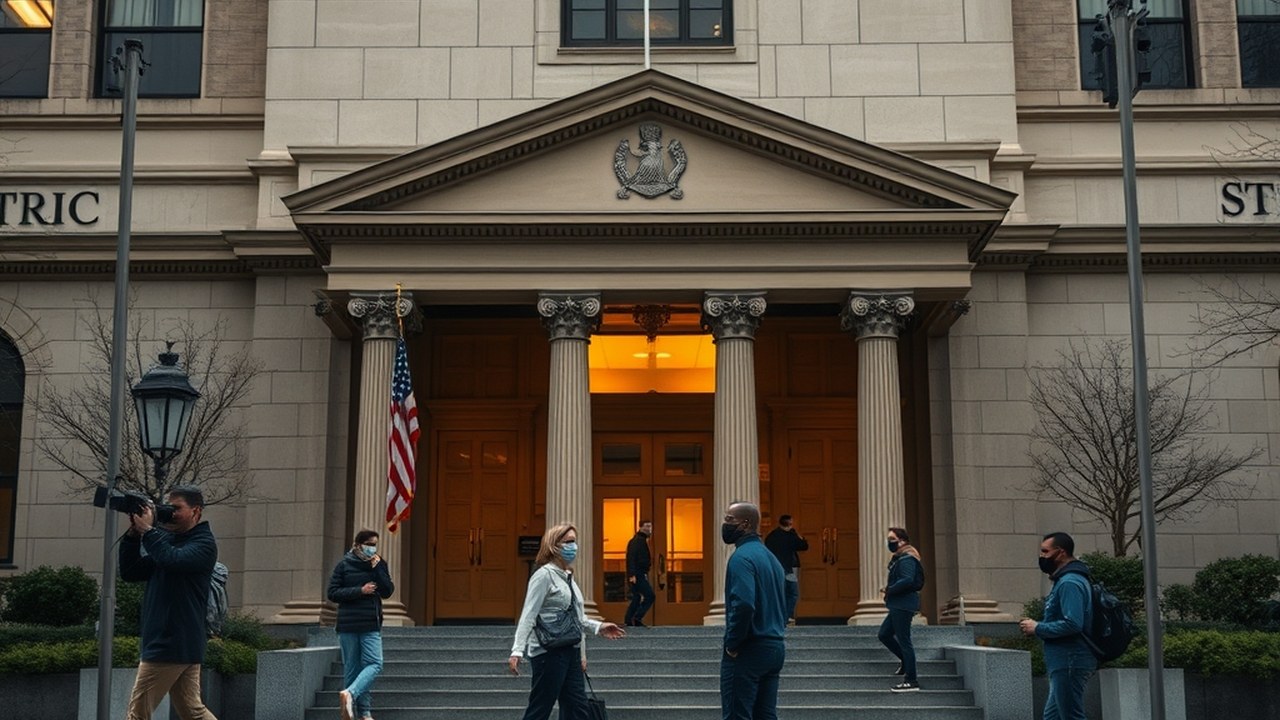
Voters across the United States are heading to polling stations to cast ballots in the 2026 midterm elections, a critical test of congressional control and a referendum on federal policy. Voting commenced early in states including North Carolina, Ohio, and West Virginia, with election authorities reporting that participation levels have already significantly exceeded the figures recorded during the previous midterm cycle in 2022.
Administrative hurdles emerged in certain areas as voting got underway. In Westchester County, local officials addressed technical malfunctions involving voting machines that potentially impacted as many as 250,000 ballots. Meanwhile, the US territory of Guam became the first jurisdiction to report its electoral results, offering an initial indication of voter sentiment.
Core Issues Shaping the Electorate
Campaign polling and voter surveys consistently highlight economic concerns as the primary issue for the electorate. Despite previous political pledges aimed at addressing affordability and inflation, cost-of-living pressures continue to dominate public anxiety. These domestic economic strains have been further complicated by foreign policy developments, including international conflicts and trade disruptions that have driven up gasoline prices for motorists across the country.
Immigration enforcement and border security also remain central to the political debate. Proponents of current administration policies frequently emphasize the closure of portions of the southern border as a major policy achievement, drawing explicit comparisons with previous leadership approaches.
Additionally, technological advancement and artificial intelligence have emerged as notable campaign topics. Public surveys indicate widespread skepticism regarding AI and related data centers, contrasting with federal promotion of these technologies.
Congressional Control and Outlook
The outcome of these legislative races will determine which political party commands majorities in both chambers of Congress, directly shaping federal governance for the remainder of the presidential term. With robust turnout observed in vital battleground states like Michigan and Georgia, election officials emphasize that final outcomes will rely heavily on late-day voter participation and the thorough processing of mail-in and provisional ballots. Administrators nationwide continue monitoring local anomalies to ensure secure tabulation as polling locations prepare to close.