
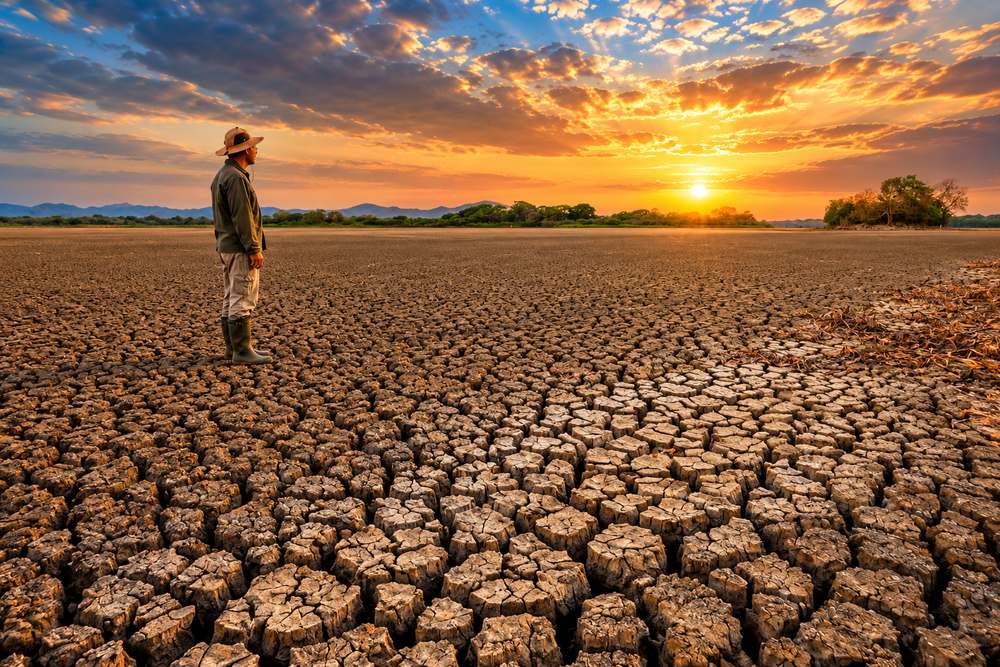
Panama is grappling with a profound water emergency driven by failed seasonal rains and severe El Niño conditions, placing immense pressure on both agricultural livelihoods and critical national infrastructure. The environmental strain has prompted government intervention as local producers struggle to cope with parched landscapes and vanishing water supplies.
Agricultural Hardships in the Dry Arc
In the agricultural heartland of Azuero, situated within Panama's Arco Seco, or Dry Arc, the typical wet season running from May to December failed to deliver sufficient precipitation. Local streams, rivers, and natural watering holes have not been replenished, preventing vital pastures from recovering ahead of the summer months.
Farmers face dwindling resources as animal feed disappears and temperatures soar. Robert Delgado, a local producer, noted that milk yields have dropped by half. To prevent livestock from perishing from thirst or starvation, producers are resorting to selling off or slaughtering animals possessing high genetic value. These conditions highlight the immediate, damaging toll the lack of moisture is taking on rural communities.
National Emergency and Economic Risks
Recognizing the severity of the crisis, the government declared a national state of emergency in August, which authorities have slated to remain active through June 2027. Government forecasts indicate that certain regions will experience rainfall deficits exceeding 50% through December.
Environment Minister Juan Navarro emphasized the gravity of the situation, noting that climate change has intensified both the frequency and severity of weather extremes. Past climatic events, such as the 2023 El Niño, stripped nearly a billion dollars from the revenues of the Panama Canal. Scientists warn that the current El Niño could develop into the most severe on record.
The 50-mile waterway is vital to the nation, accounting for up to 7.7% of Panama's gross domestic product and handling roughly 5% of global maritime trade. Furthermore, the freshwater lakes of Gatún and Alajuela supply drinking water to approximately two million residents—nearly half the population—while also supporting hydroelectric power generation. To combat these mounting threats, officials have deployed $80m toward resilience measures and plan a $1.5bn reservoir project on the Indio River to secure future water supplies.